Companies that use SEO rely on it to improve their online visibility, attract targeted traffic, and generate consistent leads or sales. In today’s digital landscape, where billions of searches are performed every day on platforms like Google, SEO has become one of the most essential marketing strategies for companies across all industries. From global corporations to small local businesses, SEO helps organizations connect with potential customers at the exact moment they are searching for products or services.
Search engine optimization is not limited to a specific type of company. It is used by eCommerce brands, service providers, SaaS companies, healthcare providers, real estate agencies, and even educational institutions. The common goal among companies that use SEO is to increase their online presence and ensure they appear at the top of search results, where most user attention is focused.
Why companies use SEO for business growth
The importance of SEO for business growth lies in its ability to deliver highly targeted traffic. Unlike traditional advertising, which interrupts users, SEO connects businesses with people who are already searching for solutions. This makes the traffic generated through SEO more valuable and more likely to convert into customers.
Companies that use SEO benefit from long-term visibility. While paid advertising can generate quick results, it stops delivering traffic once the budget runs out. SEO, on the other hand, builds a strong foundation that continues to drive organic traffic over time. This makes it a cost-effective strategy for sustainable growth.
Another reason companies invest in SEO is credibility. Websites that rank higher in search results are often perceived as more trustworthy and authoritative. This perception can significantly influence customer decisions, leading to increased conversions and brand loyalty.
Examples of companies that use SEO successfully
Many of the world’s most successful businesses rely heavily on SEO to maintain their online dominance. For example, Amazon uses SEO to optimize millions of product pages, ensuring they rank for a wide range of search queries. By targeting both broad and specific keywords, Amazon attracts massive organic traffic and converts it into sales.
Another well-known example is HubSpot, which has built its brand through content-driven SEO. By publishing high-quality blog posts, guides, and resources, HubSpot ranks for thousands of marketing-related keywords and generates consistent inbound traffic.
Airbnb also leverages SEO to attract users searching for accommodations worldwide. By optimizing location-specific pages and user-generated content, Airbnb ensures visibility in highly competitive search results.
In the media industry, Forbes uses SEO to drive traffic to its articles and news content. By targeting trending topics and high-volume keywords, Forbes consistently ranks at the top of search results and attracts millions of readers.
These examples demonstrate that companies that use SEO effectively can achieve significant growth, regardless of their industry or size.

Types of companies that benefit from SEO
Companies that use SEO come from a wide range of industries, each benefiting in different ways. E-commerce businesses rely on SEO to drive product sales by ranking for transactional keywords. Service-based businesses use SEO to attract local customers and generate leads. SaaS companies focus on content marketing and keyword targeting to educate users and drive sign-ups.
Local businesses, such as restaurants, law firms, and healthcare providers, benefit from local SEO by appearing in “near me” searches and map listings. This helps them attract nearby customers who are ready to take action. Even startups and small businesses can compete with larger companies by targeting niche keywords and specific audiences.
The versatility of SEO makes it a valuable strategy for any company looking to grow its online presence and reach a wider audience.
How companies use SEO strategies effectively
Companies that use SEO successfully implement a combination of strategies to achieve their goals. Keyword research is the foundation of any SEO campaign, helping businesses identify the terms their target audience is searching for. By targeting the right keywords, companies can attract relevant traffic and improve their chances of ranking higher in search results.
On-page SEO ensures that website content is optimized for both search engines and users. This includes optimizing titles, meta descriptions, headings, and content structure. High-quality content that provides value to users is essential for achieving strong rankings.
Technical SEO focuses on improving website performance. Factors such as site speed, mobile responsiveness, and secure connections all play a role in search rankings. Companies that invest in technical optimization can provide a better user experience and improve their overall SEO performance.
Off-page SEO, including link building, helps establish authority and credibility. When reputable websites link back to a company’s content, it signals trust to search engines and improves ranking potential. Companies that build strong backlink profiles are more likely to achieve long-term SEO success.
The role of content in SEO success
Content is a critical component for companies that use SEO. High-quality content helps attract visitors, answer their questions, and establish authority in a particular industry. Businesses that consistently publish valuable content are more likely to rank higher in search results and attract organic traffic.
Content strategies often include blog posts, guides, case studies, and landing pages. These types of content allow companies to target different keywords and address various stages of the customer journey. By aligning content with user intent, businesses can improve engagement and increase conversions.
Search engines prioritize content that is relevant, informative, and regularly updated. Companies that invest in content creation and optimization can maintain strong rankings and stay ahead of competitors.

Challenges faced by companies using SEO
While SEO offers numerous benefits, companies that use SEO also face challenges. One of the biggest challenges is competition. As more businesses invest in SEO, it becomes harder to achieve top rankings without a well-planned strategy.
Another challenge is keeping up with search engine algorithm updates. Search engines frequently update their algorithms to improve user experience, which can impact rankings. Companies must stay informed and adapt their strategies to maintain performance.
SEO also requires time and consistency. Unlike paid advertising, which delivers immediate results, SEO takes time to show significant improvements. Businesses must be patient and committed to long-term optimization efforts.
The future of companies that use SEO
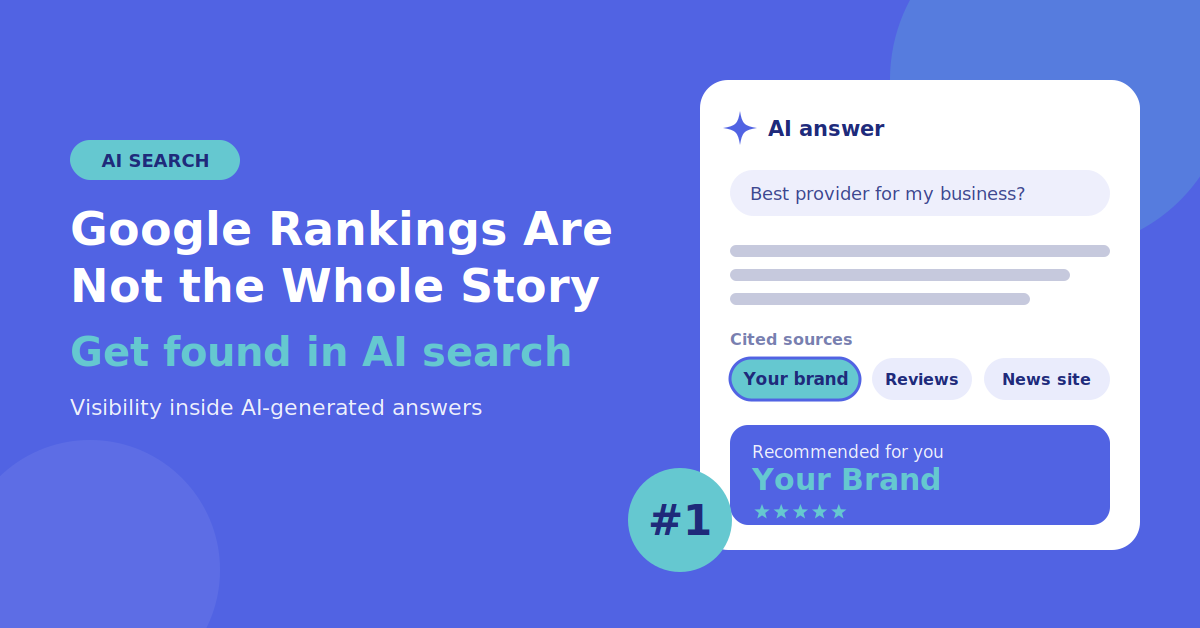
The future for companies that use SEO is promising as digital consumption continues to grow. With advancements in technology and changes in user behavior, SEO strategies will continue to evolve. Voice search, artificial intelligence, and mobile-first indexing are shaping the future of search engine optimization.
Companies that adapt to these changes and focus on user experience will have a competitive advantage. By staying up to date with trends and continuously optimizing their websites, businesses can maintain strong visibility and achieve long-term success.
Conclusion
Companies that use SEO gain a significant advantage in today’s competitive digital landscape. By improving online visibility, attracting targeted traffic, and building credibility, SEO helps businesses achieve sustainable growth. From global brands to local businesses, companies across all industries rely on SEO to connect with their audience and drive results. Investing in search engine optimization is not just a marketing choice; it is a necessity for businesses that want to succeed online.