What is Search Engine Optimization?
Every time someone searches on Google, a business opportunity is created. Search engine optimization determines whether your business captures that opportunity or gets overlooked. In today’s digital landscape, where most clicks go to the first page of results, SEO is no longer optional; it is essential for any business aiming to grow online.
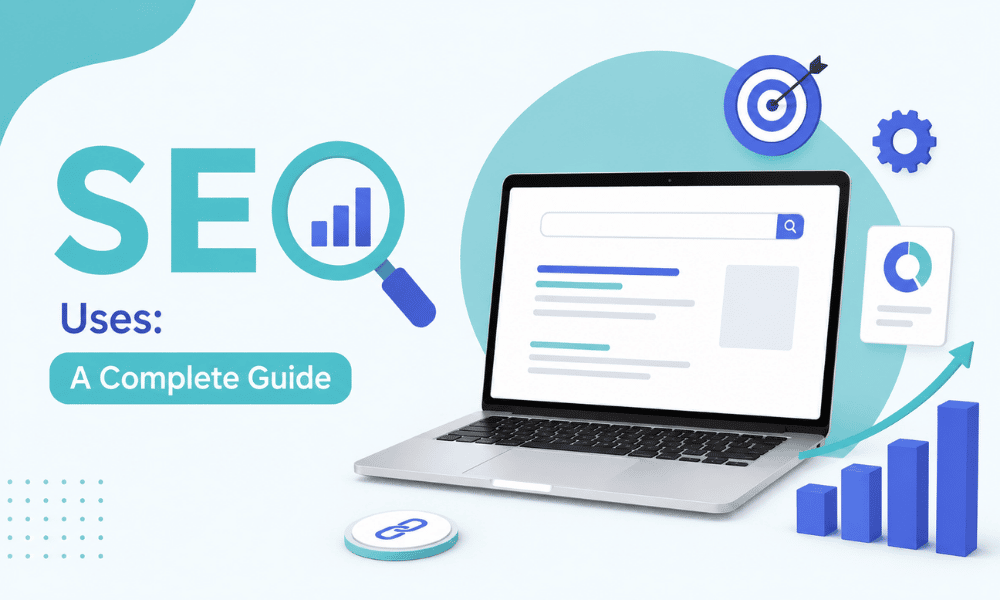
Search engine optimization, or SEO, is the process of improving a website’s visibility in organic search results so the right audience can find your business at the right time. However, SEO is much more than just rankings. It plays a key role in driving consistent traffic, generating qualified leads, building brand authority, and improving overall website performance. Understanding these broader benefits helps clarify the real uses of search engine optimization for modern businesses.
Because of its wide range of applications, SEO has become one of the most valuable and versatile marketing strategies, delivering long-term results and sustainable growth for businesses of all sizes.
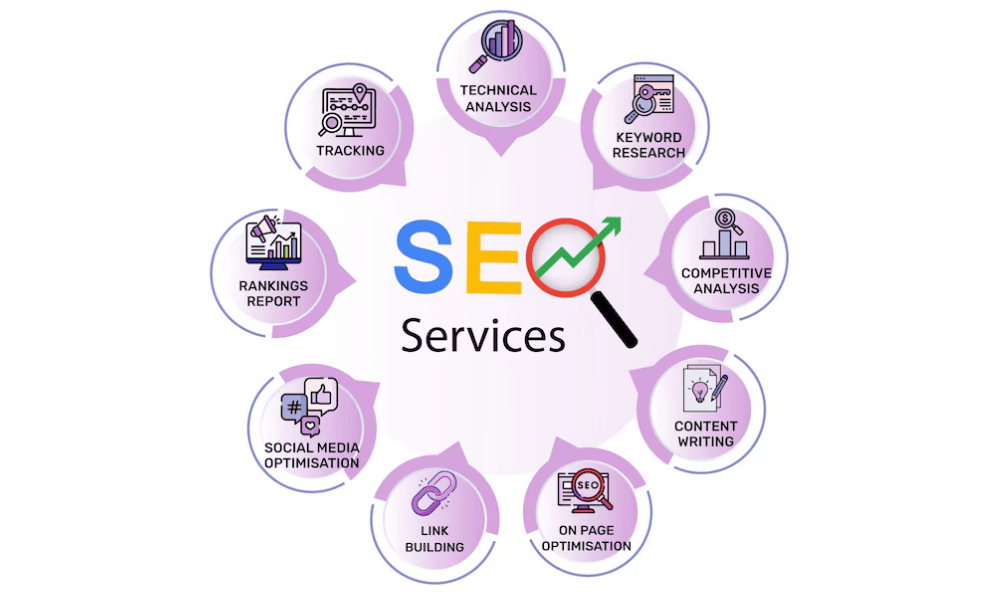
The primary search engine optimization uses
A. Increasing website traffic
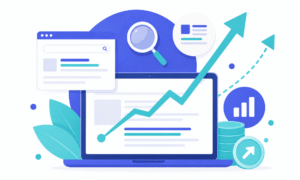
One of the key uses of search engine optimization is driving consistent, qualified traffic to your website without paying for each visitor. By ranking at the top for the terms your potential customers are searching, your site can attract relevant visitors daily at no ongoing cost.
The power of organic SEO lies in its sustainability. Unlike paid ads, which stop delivering traffic once the budget ends, a well-optimized website continues to generate qualified traffic for months or even years. As your site gains authority and ranks for more keywords, the compounding benefits of SEO create one of the most powerful and long-lasting growth tools for your business.
B. Building brand visibility and awareness
Among the most powerful, though often overlooked, search engine optimization uses is building brand awareness and recognition. Search engine optimization puts your business in front of potential customers again and again, exactly when they are searching for information related to your industry.
When you continually appear in relevant searches, you strengthen brand recall and trust. This is why appearing in informational results is one of the most effective ways to leverage SEO for long-term brand visibility.
C. Generating leads and sales
Search engine optimization connects businesses with people actively searching for their products or services, making organic search one of the highest-converting traffic sources. This highlights one of the most valuable search engine optimization uses: turning intent into action.
Optimized product, service, and location-specific landing pages serve as 24/7 sales assets. By targeting the right keywords, answering buyer questions, and guiding next steps, these pages generate leads and sales continuously without ongoing advertising costs.
D. Establishing authority and credibility
Another important aspect of search engine optimization uses is building authority and trust. Ranking at the top of search results signals credibility to users, as businesses that appear organically are often perceived as more reliable and established.
Unlike paid ads, organic rankings must be earned through quality content, technical optimization, and backlinks, making them more trustworthy in users’ eyes.
E. Supporting other marketing channels
One of the most strategic search engine optimization uses is its ability to strengthen other marketing channels. SEO is not used in isolation; it supports content marketing, email campaigns, and social media strategies.
SEO data provides insights into what your audience is searching for, allowing marketers to create highly relevant content. This data-driven approach delivers better performance than content based solely on assumptions.

Search Engine Optimization used by business types
Search engine optimization applications vary by business model, and understanding these search engine optimization uses helps you focus on the most effective strategies.
Small and local businesses benefit greatly from local SEO, which determines whether they appear in nearby searches. For many, this is the most valuable source of leads.
E-commerce businesses use SEO to rank product and category pages, attracting high-intent customers ready to purchase.
B2B businesses apply SEO to reach decision-makers during long research cycles, making it a cost-effective strategy for high-value leads.
Content publishers rely on SEO as a core traffic driver, turning each article into a long-term asset.
Nonprofits use SEO to increase visibility and connect with supporters interested in their mission.
Technical Uses of Search Engine Optimization
Beyond marketing, there are also technical search engine optimization uses that directly impact website performance and user experience.
- Improving site structure and navigation ensures better usability and accessibility.
- Fixing crawl and indexing issues ensures important pages are properly discovered and ranked.
- Page speed and mobile optimization improve both rankings and user retention.
- Structured data enhances how content appears in search results, increasing click-through rates.
Search Engine Optimization as a long-term business asset
Search engine optimization should be viewed as a long-term business asset rather than a short-term campaign. Many successful companies fully leverage the long-term search engine optimization uses to build sustainable growth.
Unlike paid ads, SEO continues to deliver results over time. A well-ranked page can generate traffic for months or years, while consistent optimization builds authority and strengthens rankings.
This creates a lasting competitive advantage that is difficult for competitors to replicate.

Common misconceptions about Search Engine Optimization use
Many misconceptions prevent businesses from fully understanding search engine optimization uses. SEO is not just for large companies; small businesses often benefit even more, especially with local SEO.
It is also not just about keywords. SEO includes technical performance, user experience, content quality, backlinks, and search intent. Finally, SEO is not an instant solution. It requires consistency and time, but the long-term benefits far outweigh the initial effort.
Conclusion
Search engine optimization serves a wide range of business goals, from driving organic traffic and generating leads to building authority and long-term growth. Understanding the full scope of search engine optimization uses allows businesses to apply it more effectively.
The key is identifying how SEO fits your business model. Whether you run a local service, an e-commerce store, or a B2B company, SEO connects you with users actively searching for what you offer.
To begin, evaluate your current performance through an SEO audit. This helps uncover opportunities and build a clear strategy. Starting early allows you to take full advantage of the long-term search engine optimization uses and stay ahead of competitors.
You can get our SEO services.