
Introduction to Search Engine Marketing for Small Businesses
Search engine marketing for small businesses is one of the most effective ways to build visibility, attract targeted customers, and compete in today’s digital landscape. It combines both paid advertising and organic strategies to ensure that businesses appear in front of users actively searching for their products or services.
For small businesses with limited budgets and resources, search engine marketing offers a scalable, measurable approach to growth. Whether it involves running paid campaigns or investing in long-term SEO, the goal remains the same: to drive relevant traffic and convert it into customers.
Understanding how SEO costs for small businesses work, along with analyzing small business SEO reviews, helps business owners make informed decisions and choose the right strategies for sustainable success.
Understanding Search Engine Marketing for Small Businesses
Search engine marketing, often referred to as SEM, includes both paid search advertising and search engine optimization. Paid campaigns allow businesses to appear at the top of search results instantly, while SEO focuses on building long-term organic visibility.
For small businesses, SEM offers flexibility. Paid campaigns can generate immediate traffic, making them ideal for new businesses or promotions. At the same time, SEO builds a foundation that continues to drive traffic without ongoing ad spend.
The key to success lies in balancing both approaches. Businesses that integrate SEO with paid advertising often achieve better results by capturing both short-term and long-term opportunities.
Importance of SEM for small businesses
Search engine marketing plays a critical role in helping small businesses compete with larger companies. Unlike traditional marketing, SEM targets users with intent, meaning they are actively searching for solutions.
This targeted approach increases conversion rates while reducing wasted spend. Small businesses can focus on specific keywords, locations, and audiences, ensuring their marketing efforts are efficient and cost-effective.
SEM also provides measurable results. Businesses can track clicks, conversions, and ROI to enable continuous campaign optimization. This level of insight is especially valuable for small businesses looking to maximize their marketing budget.
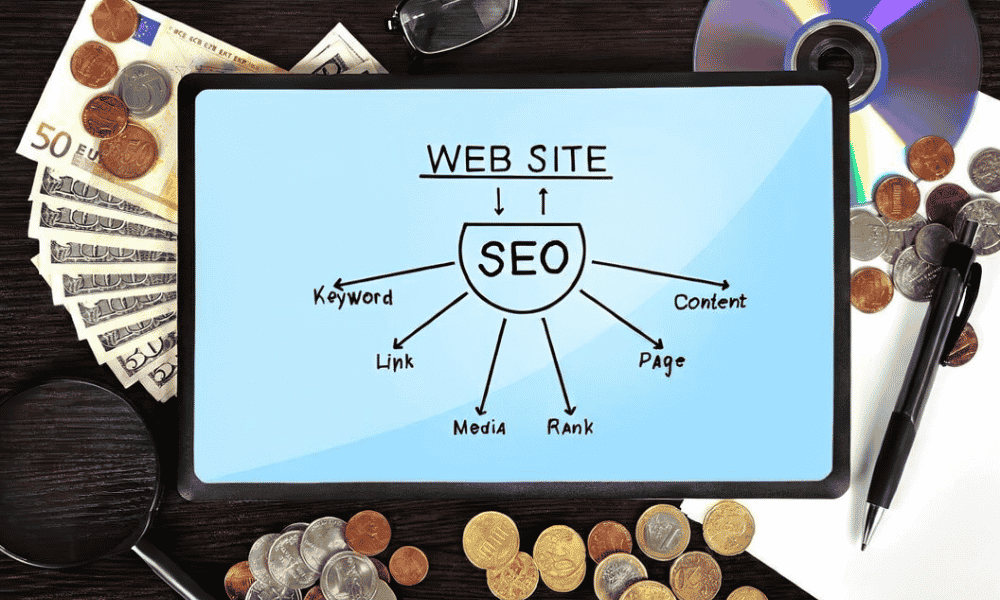
SEO costs for small businesses: What to expect
SEO costs for small businesses vary depending on the scope of work, competition, and the level of expertise required. Unlike fixed-price services, SEO is typically tailored to business goals and industry demands.
For small businesses, SEO costs can range from affordable entry-level packages to more advanced strategies. Basic services may include keyword research, on-page optimization, and local SEO, while higher-end packages often involve content creation, technical SEO, and link building.
The cost is also influenced by whether the business chooses to work with an agency, freelancer, or in-house team. Agencies tend to offer comprehensive services and proven processes, while freelancers may provide more budget-friendly options.
It is important to view SEO as an investment rather than an expense. While results may take time, the long-term benefits often outweigh the initial costs, making SEO one of the most cost-effective marketing strategies.
Factors influencing SEO costs
Several factors impact SEO costs for small businesses. Competition is one of the most significant factors, as highly competitive industries require greater effort and resources to achieve rankings.
Website condition also plays a role. Businesses with outdated or poorly optimized websites may require extensive technical improvements before seeing results.
Content requirements can further influence costs. High-quality, optimized content is essential for ranking, and creating it consistently requires time and expertise.
Geographic targeting is another factor. Local SEO campaigns are generally more affordable than national or global campaigns, making them ideal for small businesses targeting specific areas.
Small business SEO reviews: What they reveal
Small business SEO reviews provide valuable insights into the effectiveness of different SEO strategies and service providers. These reviews often highlight real experiences, helping businesses understand what to expect.
Positive reviews frequently mention increased website traffic, improved rankings, and higher conversion rates. Many small businesses report significant growth after investing in SEO, especially when working with experienced professionals.
However, reviews also reveal common challenges. Some businesses are frustrated by slow results or a lack of communication from service providers. These insights emphasize the importance of choosing the right SEO partner.
Analyzing reviews can help businesses identify reliable agencies, understand pricing expectations, and avoid common pitfalls.
Benefits of search engine marketing for small businesses
Search engine marketing offers numerous benefits for small businesses. It increases visibility, allowing businesses to reach potential customers at the right time.
Another major benefit is cost efficiency. Compared to traditional advertising, SEM allows businesses to target specific audiences, reducing wasted spend.
SEM also enhances brand credibility. Appearing in search results builds trust and positions the business as a reliable option.
Additionally, SEM supports scalability. Businesses can start with a small budget and gradually expand their campaigns as they grow.

Common challenges and how to overcome them
While SEM offers many advantages, small businesses often face challenges such as limited budgets, high competition, and a lack of expertise.
To overcome these challenges, businesses should focus on targeted strategies. Instead of competing for broad keywords, they can target niche or long-tail keywords that are less competitive and more specific.
Consistency is also important. SEO requires ongoing effort, and businesses that invest in regular optimization tend to achieve better results.
Working with experienced professionals can further help overcome challenges by providing strategic guidance and execution.
Practical insights for small business success
Small businesses can maximize their SEM efforts by focusing on user intent and delivering value through their content. Understanding what customers are searching for and addressing those needs effectively is key.
Local SEO is particularly valuable for small businesses, as it helps attract nearby customers who are more likely to convert. Optimizing Google Business profiles and local listings can significantly improve visibility.
Combining SEO with paid advertising can also enhance results. While SEO builds long-term growth, paid campaigns provide immediate visibility, creating a balanced approach.
Regular performance tracking and optimization ensure that strategies remain effective and aligned with business goals.
Conclusion
Search engine marketing for small businesses is a powerful tool for driving growth, improving visibility, and increasing revenue. By understanding SEO costs for small businesses and analyzing small business SEO reviews, businesses can make informed decisions and choose strategies that deliver results.
Despite challenges, SEM offers a flexible and scalable approach that adapts to the needs of small businesses. With the right strategy and consistent effort, it can become a key driver of long-term success.